Overall organic food and drink sales in the UK increased by 12.6% in 2020, the highest growth in 15 years. Farm shops have thrived and there are positive signs that people are becoming more interested in provenance and even seasonality. Dairy and meat sales have also increased over the last year. Until the pandemic I thought it was farmers that fed the nation, but I have since learned it is Sainsburys and Tesco. But regardless, all of you, our customers, place a great deal of trust in us as farmers to not only deliver food that is safe, tastes good and is priced fairly, but is produced to the highest standards in terms of animal welfare and care for the environment. Thank you.
Whilst I may not be inclined to praise the major multiples, I was pleasantly surprised to have my suspicion of large food and retail businesses challenged, even if for a rather unfortunate reason. Covid inevitably caused significant challenges across the fresh food sector, including temporary drops in demand for milk as the ‘service sector’ (you would be amazed to know how much milk is sold daily through the nation’s coffee shops!) was forced to shut down. The impact was felt acutely by Organic farmers too, but for the surprising reason that it turns out that McDonald’s and Pret a Manger are the biggest buyers of organic milk in the hospitality industry, but of course they were hit extremely hard by lockdown. Thankfully, organic milk sales to the public eventually boomed and Yeo Valley (100% organic yoghurts and butter) have had a record year.
The combination of global pandemic and Brexit was never going to be a good news story. Our organic dairy cooperative exports to Europe and the USA and this activity now ranges from extremely difficult to impossible, despite the much heralded (and greatly welcomed) Brexit deal. We also export organic barley to Europe to make organic beer. Brexit destroyed this market pre-deal and then the pandemic has finished it off due to the collapse of beers sales because bar closures across Europe.
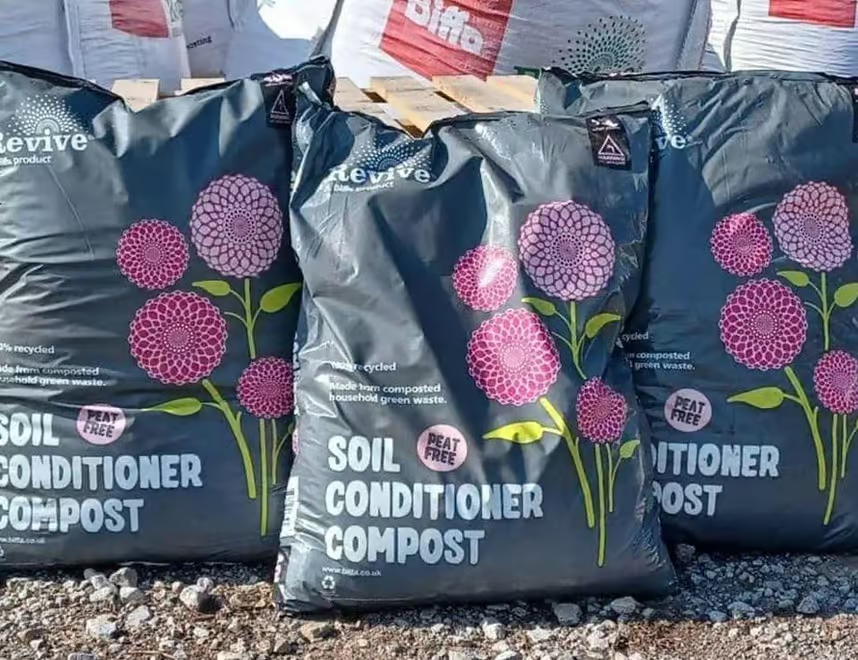
Probably the most unexpected consequence of Covid, for us, was the uplift in online sales of our Earth Cycle products last spring when garden centres were closed. An ‘ill wind’ I guess, but one we were grateful for.
Of course, almost every business has its Covid and Brexit challenges and we are lucky and far more fortunate than many, and few have open fields and countryside to enjoy at work. I must pay tribute also to the Woodhorn Team and all key workers who have been incredible in their determination to work through this most challenging of times with diligence, dedication, and good humour.
We have been enormously saddened and shocked at the (non Covid related but completely unexpected) passing of Richard Cousins who had led the arable farm team for the last ten years at Woodhorn. Many of you will have known him or seen him ploughing his furrow (literally) and no doubt some of your children will remember him from the visits to the farm by the March school which were hosted by Richard. He is, and will continue to be, sorely missed.
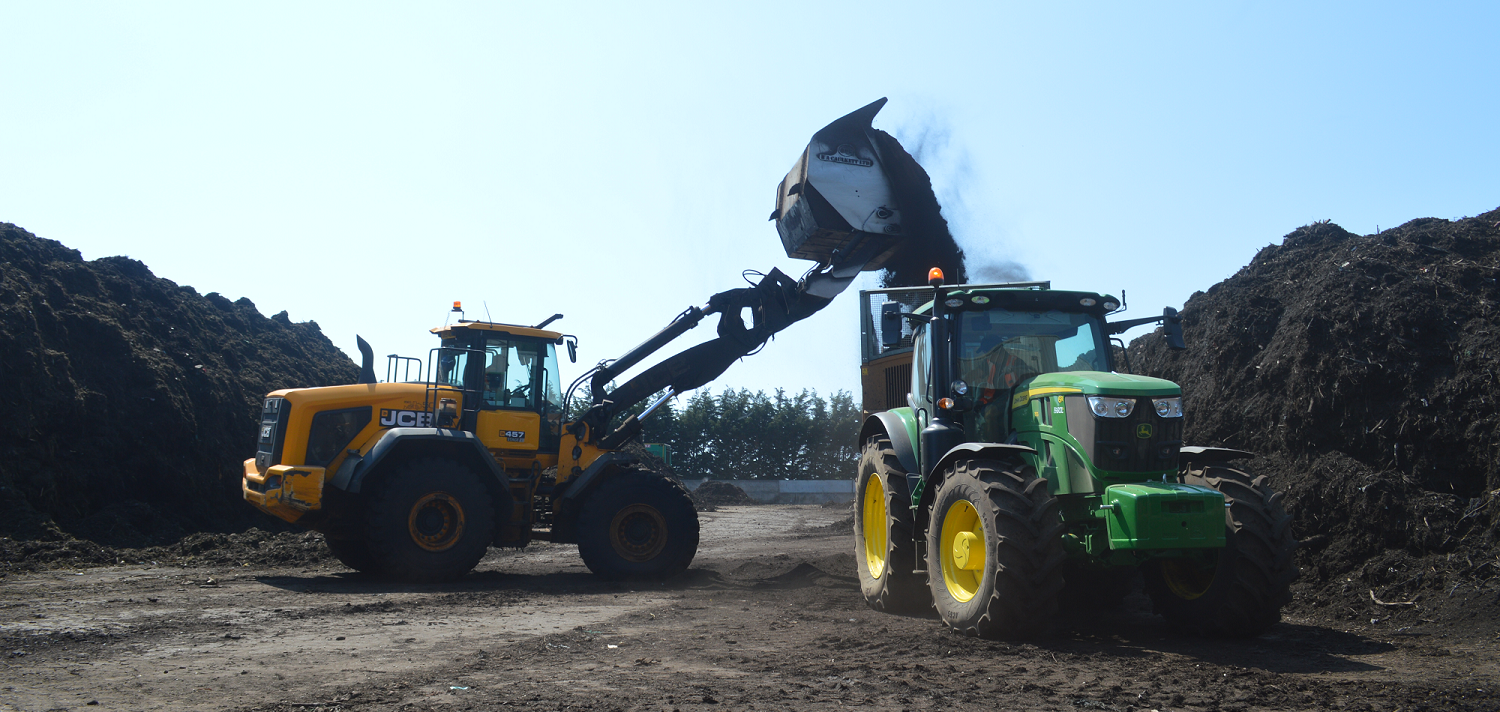
Spring in its on its way and it is the time I must apologise in advance for any inconvenience caused by muck spreading and rook scaring. Both are essential functions of producing Organic crops, but we always recognise our duty to minimise the impact on our community as much as possible. We take this seriously but thank you in advance for your understanding when needed.
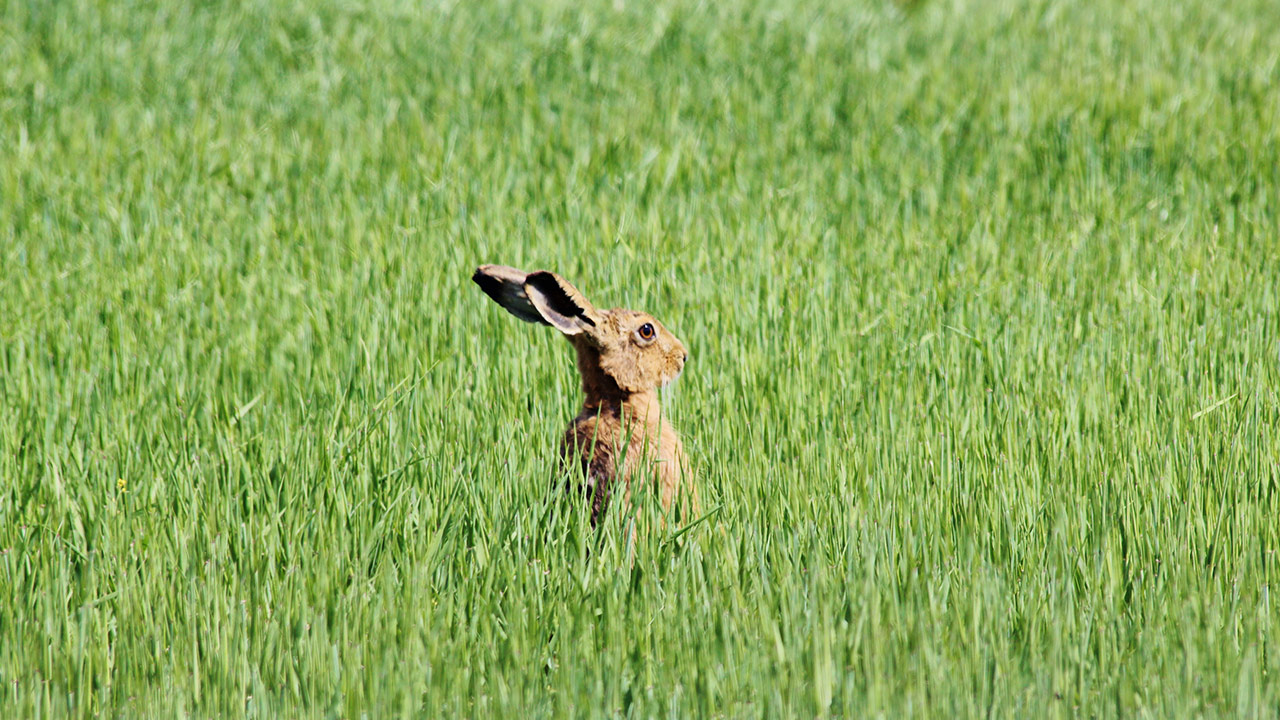
Our focus on carbon reduction and the potential impacts of climate change is proving time (a scarce resource at the moment!) consuming and challenging, but also fascinating. Bit by bit we are creating a comprehensive plan to take what I hope has been a positive eco strategy for the past 20 + years, to the next stage. Carbon management will focus on building soil organic matter (removing carbon from the atmosphere and ‘storing’ it in the soil), dairy nutrition and renewable energy. Water resource management (driven by increasing water scarcity during drier summers and flooding concerns due to wetter winters) will look at storing winter rainfall for summer use. We are also in the process of creating a new scheme to benefit our flora and fauna by the creation of new and improved areas to support pollinators and birds (for example). We are learning all the time. For example, a bat has been discovered on the farm (the Barbastelle bat) that I had not only never heard of but is under serious threat, being one of the rarest mammals in the UK. Only this week I learned of the advantages of planting small strategically sited groups of trees to disrupt the movement of harmful particles in the air emanating from road traffic. Something else we will look at with interest.
John Pitts



Recent Comments